
Traditional furniture has a unique charm that never goes out of style. From beautifully carved wooden wardrobes and elegant sofa sets to intricately designed dining tables and classic four-poster beds, traditional furniture brings warmth, character and sophistication into a home. While modern interior design often focuses on clean lines, minimalism and functionality, traditional furniture introduces a sense of history, craftsmanship and individuality that makes living spaces feel more welcoming.
Today, homeowners are increasingly exploring ways to combine traditional furniture designs with contemporary interiors. Rather than recreating an entirely traditional home, the idea is to incorporate selected heritage-inspired elements that complement modern layouts, colours and lifestyles.
Whether you are designing a luxury villa, an independent house or a contemporary apartment, traditional furniture can create a beautiful balance between classic aesthetics and modern comfort. With the right furniture, wall art, curtains, colour combinations and decorative details, it is possible to create interiors that remain elegant for years.
In this blog, we explore how traditional furniture designs can bring timeless elegance to modern homes and how different elements can be incorporated into your interior design.
Why Traditional Furniture Remains Relevant in Modern Interior Design
Traditional furniture is known for its detailed craftsmanship, rich wooden finishes, decorative carvings and timeless proportions. Unlike furniture styles that follow short-lived trends, traditional designs are often inspired by cultural heritage and classic architectural elements.
One of the biggest advantages of traditional furniture is its ability to add depth and personality to a space. A beautifully carved wooden cabinet, an upholstered traditional sofa or a solid wood dining table can become the focal point of a room without requiring excessive decoration.
Traditional furniture also works well with several interior design styles, including contemporary, transitional, classic and luxury interiors.
For example, a modern living room with neutral walls, contemporary lighting and minimal flooring can look significantly more inviting when complemented by a traditional wooden sofa set or an antique-style centre table.
The secret is to maintain a balance between decorative furniture and the simplicity of modern interiors.
1. Traditional Living Room Furniture for a Warm and Elegant Space
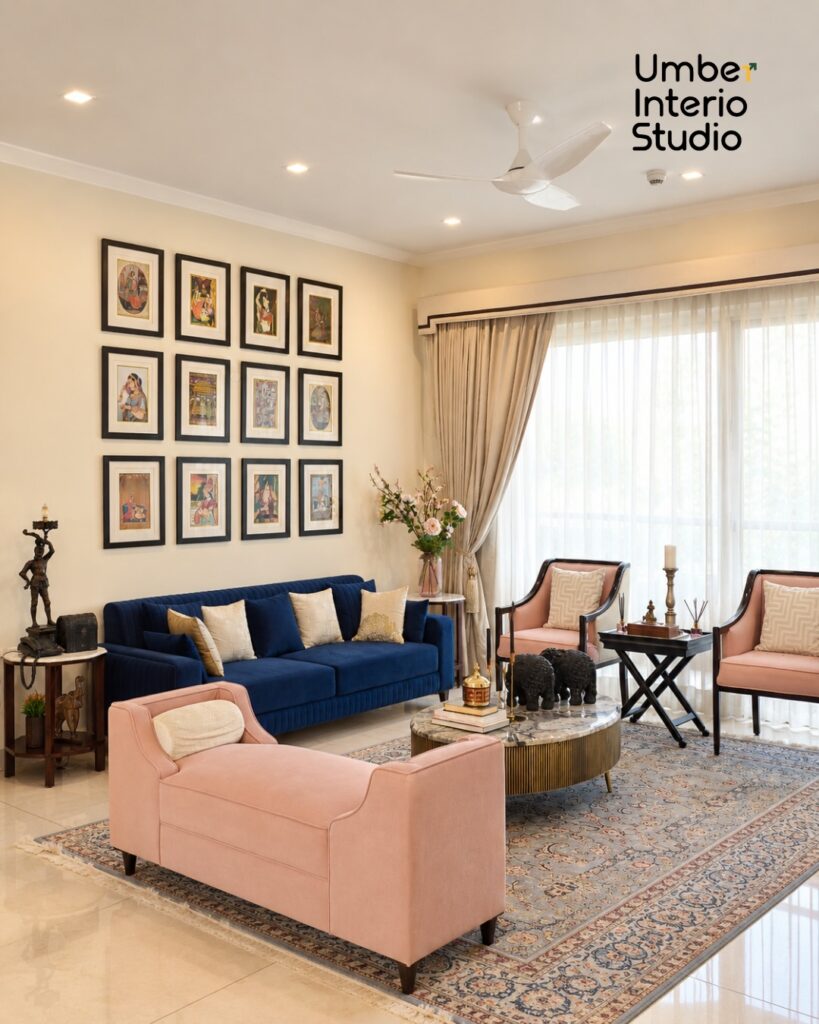
The living room is often the centre of family gatherings and social interactions. Traditional living room furniture can make this space feel welcoming, sophisticated and comfortable.
Classic wooden furniture, carved armrests, decorative legs and rich upholstery are some of the defining characteristics of traditional living room interiors.
Popular traditional living room furniture choices include:
- Solid teak or rosewood sofa frames with detailed carvings.
- Wooden coffee tables with decorative legs and handcrafted finishes.
- Traditional wooden side tables with storage.
- Carved display cabinets and glass-fronted crockery units.
- Upholstered accent chairs with classic patterns.
- Decorative wooden consoles and traditional centre tables.
When incorporating traditional furniture into a modern living room, consider the available space and the overall interior theme. Large carved furniture pieces work particularly well in spacious living rooms, while apartments may benefit from more compact traditional designs.
Pairing traditional furniture with contemporary lighting, subtle wall colours and simple flooring helps prevent the room from looking overly decorative.
For homeowners planning a sophisticated living space, consulting experienced living room interior designers in Hebbal can help create a layout that combines traditional aesthetics with modern functionality.
2. Traditional Sofa Set Designs That Add Character to Your Living Room
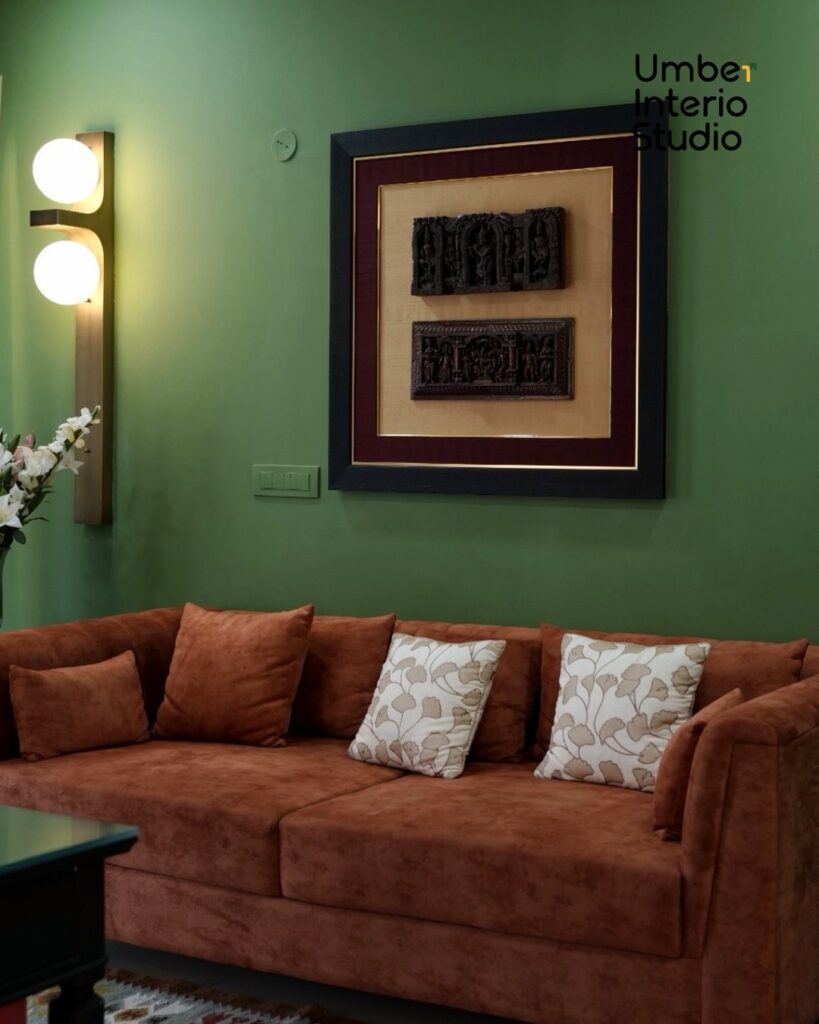
A traditional sofa set is one of the most recognisable elements of classic home interiors. With its distinctive wooden framework, detailed craftsmanship and elegant upholstery, it can instantly transform the appearance of a living room.
Traditional sofa designs are available in several styles, ranging from intricately carved wooden frames to more understated classic silhouettes.
Some popular options include:
Carved Wooden Sofa Sets: These feature detailed wooden carvings along the armrests, backrests and legs. Teak wood and other hardwood finishes are popular choices for traditional-inspired interiors.
Traditional Upholstered Sofa Sets: These combine wooden frames with comfortable cushions upholstered in rich fabrics. Floral patterns, damask prints, brocade and textured fabrics complement the traditional aesthetic.
Classic Three-Seater Sofa Designs: A three-seater sofa with wooden detailing works well as the main seating element in a traditional living room.
Traditional Sofa with Accent Chairs: Combining a classic sofa with matching or contrasting accent chairs creates a balanced seating arrangement.
When selecting upholstery, consider colours such as beige, olive green, burgundy, rust, deep blue and muted gold. These shades complement natural wood finishes and create a warm atmosphere.
For a contemporary interpretation, choose a traditionally inspired sofa with simpler carvings and neutral upholstery. This creates a sophisticated look without making the living room feel visually crowded.
3. Traditional Wardrobe Designs That Combine Storage and Style
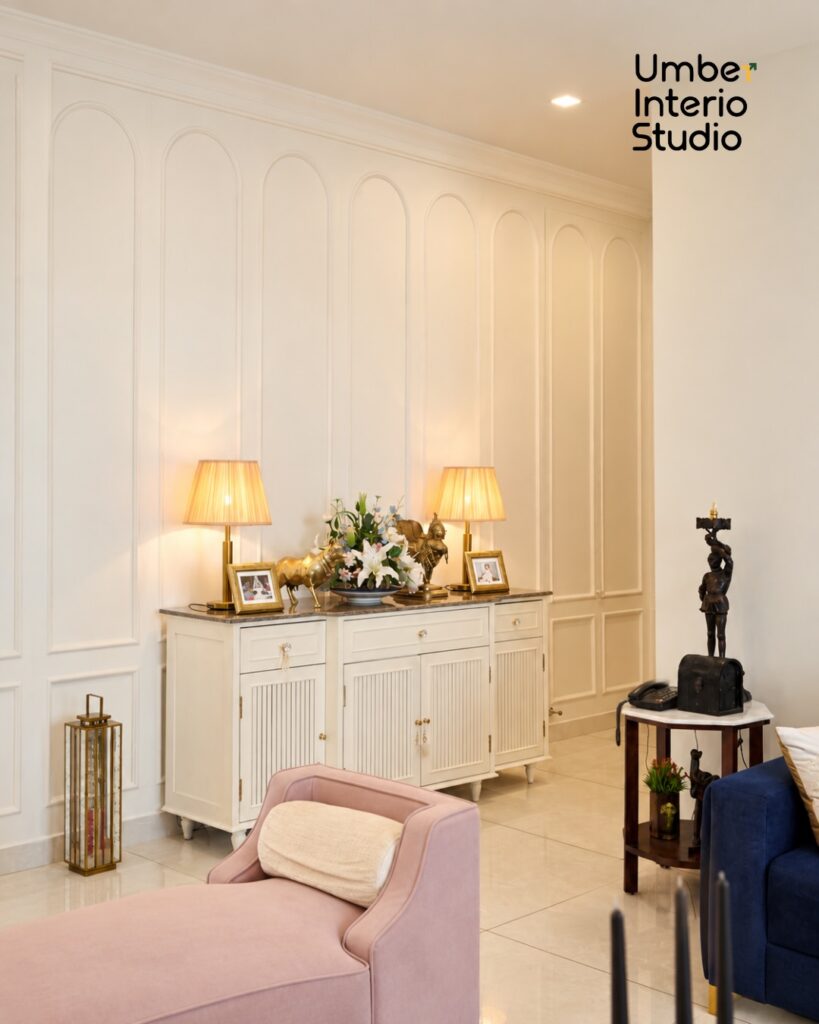
Wardrobes are essential bedroom furniture elements, but they can also contribute significantly to the overall interior design. Traditional wardrobe designs are particularly attractive because of their detailed wooden finishes, panelled shutters and decorative elements.
Unlike basic contemporary wardrobes, traditional wardrobes often feature framed doors, carved panels, antique-style handles and rich wood textures.
Some popular traditional wardrobe design ideas include:
Classic Wooden Panel Wardrobes: These wardrobes feature framed wooden shutters with raised or recessed panels. They create a timeless appearance and work well in traditional and transitional bedrooms.
Carved Wooden Wardrobes: Intricate carvings on the shutters add a handcrafted appearance. These designs are particularly suitable for spacious bedrooms and luxury villas.
Antique-Finish Wardrobes: Dark walnut, teak and distressed wood finishes create a heritage-inspired look. Antique brass or bronze handles further enhance their appearance.
Traditional Wardrobes with Mirrors: Incorporating decorative mirrors into wooden wardrobe shutters combines practicality with classic styling.
Traditional Walk-In Wardrobes: A walk-in wardrobe can incorporate wooden cabinets, decorative handles, warm lighting and traditional display niches to create a luxurious dressing space.
For modern homes, floor-to-ceiling wardrobes with traditional panel detailing offer a practical solution. They maximise storage while maintaining a classic visual identity.
It is also important to consider internal wardrobe planning. Dedicated sections for hanging clothes, folded garments, accessories, footwear and valuables make the wardrobe functional for everyday use.
4. Traditional Bed Designs for a Luxurious and Comfortable Bedroom
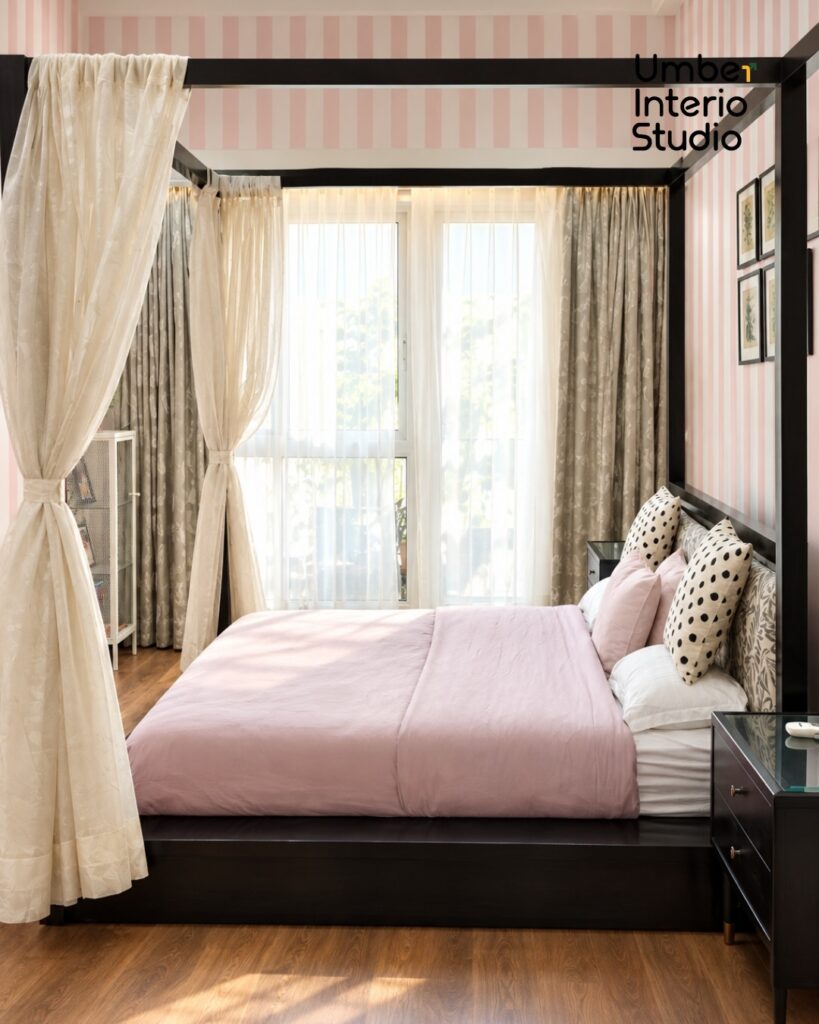
The bed is usually the focal point of a bedroom. A traditional bed design can create a sense of grandeur while making the space feel warm and inviting.
Traditional beds are often recognised by their solid wooden frames, decorative headboards, carved posts and detailed footboards.
Some popular styles include:
Carved Wooden Beds: These feature detailed craftsmanship along the headboard and footboard. They are ideal for bedrooms designed around classic luxury.
Four-Poster Beds: Inspired by heritage furniture, four-poster beds feature vertical posts at the corners. They create a dramatic visual statement, especially in spacious bedrooms.
Traditional Sleigh Beds: These beds have curved headboards and footboards that give the bedroom a distinctive classic appearance.
Panelled Wooden Beds: Simple wooden frames with decorative panel detailing are ideal for homeowners who prefer traditional aesthetics without excessive ornamentation.
Upholstered Traditional Beds: A wooden frame combined with a fabric-covered headboard offers a softer and more contemporary interpretation of traditional bedroom furniture.
The bedding and accessories should complement the bed design. Choose layered fabrics, embroidered cushions, textured bedspreads and warm-toned throws to enhance the traditional theme.
Avoid overcrowding the bedroom with too many decorative elements. A well-designed traditional bed, coordinated bedside tables and balanced lighting are often sufficient to create an elegant bedroom.
For a thoughtfully planned bedroom, Bedroom interior designers in Hebbal Bangalore can help integrate traditional furniture, modern storage solutions and comfortable layouts.
5. Traditional Dining Table Designs for Elegant Dining Spaces
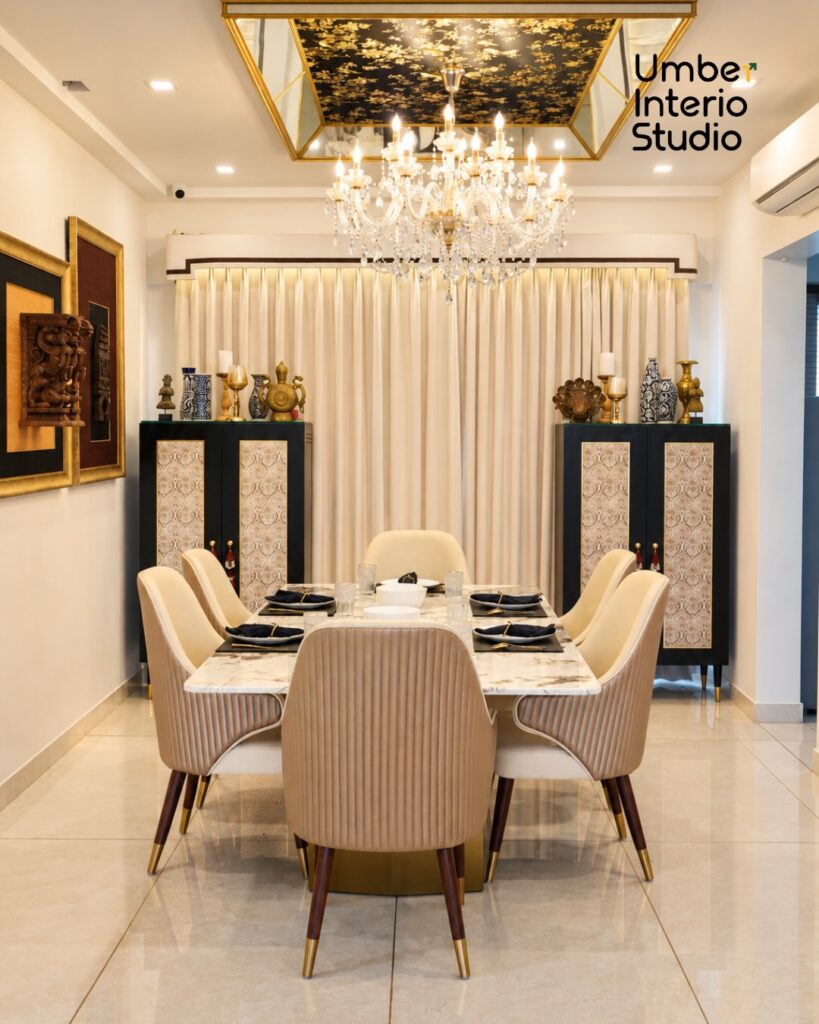
The dining area is another space where traditional furniture can make a lasting impression. A beautifully crafted wooden dining table brings warmth and character to family meals, celebrations and gatherings.
Traditional dining tables are usually made from solid wood and feature detailed legs, decorative edges and rich finishes.
Popular traditional dining table designs include:
Solid Wooden Dining Tables: These are timeless options for traditional interiors. Teak, walnut and other hardwood-inspired finishes create a rich and elegant appearance.
Carved Leg Dining Tables: Decorative legs and handcrafted detailing add a sophisticated touch to the dining area.
Traditional Six-Seater Dining Tables: These are suitable for medium-sized families and provide a comfortable arrangement for everyday dining.
Eight-Seater Wooden Dining Tables: Larger dining tables work particularly well in spacious homes and villas.
Extendable Traditional Dining Tables: These combine classic styling with modern flexibility, allowing homeowners to accommodate additional guests when required.
The dining chairs are equally important. Upholstered chairs with wooden frames, carved backrests and patterned fabrics can complement the dining table beautifully.
A traditional wooden dining table can also be paired with a contemporary pendant light, a modern crockery unit or simple wall finishes. This combination keeps the space visually balanced.
For a coordinated dining space, Dining room interior designers North Bangalore can help plan furniture placement, lighting, storage and finishes that complement your home’s overall design.
6. Traditional Wall Arts and Decorative Elements
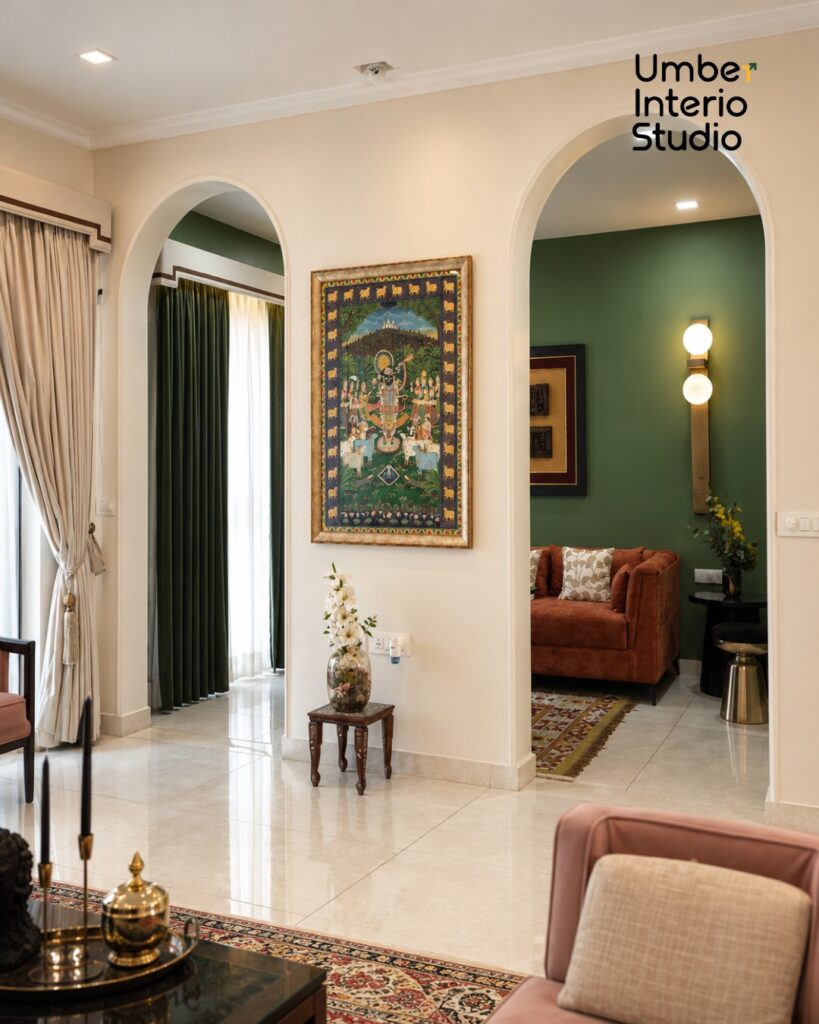
Furniture alone does not define a traditional interior. Wall art and decorative accessories play an equally important role in creating a cohesive design theme.
Traditional wall art introduces cultural character, visual interest and a sense of craftsmanship into modern homes.
Some popular traditional wall decoration ideas include:
- Traditional Indian paintings and heritage-inspired artwork.
- Tanjore paintings featuring intricate detailing and rich colours.
- Madhubani and other folk-art paintings.
- Antique wooden frames with decorative finishes.
- Traditional brass wall hangings and sculptures.
- Handcrafted wooden panels and carved wall installations.
- Heritage-inspired mirrors with ornamental frames.
A large traditional painting above the living room sofa can become an attractive focal point. Similarly, a collection of smaller framed artworks can create an interesting gallery wall in a hallway or dining area.
Wooden wall panels and carved decorative screens are also excellent choices for homeowners who want to introduce traditional craftsmanship into contemporary interiors.
However, avoid placing too many decorative pieces on a single wall. Allow the artwork to stand out by keeping surrounding finishes relatively simple.
Traditional Curtains That Complement Classic Furniture
Curtains are often overlooked during interior planning, but they have a significant impact on the appearance and atmosphere of a room.
Traditional curtains are usually characterised by rich fabrics, layered textures, decorative patterns and elegant draping.
Some popular fabric choices include silk, cotton, velvet, jacquard and brocade.
For traditional living rooms, floor-length curtains in rich colours such as burgundy, beige, olive green, navy blue and muted gold can complement wooden furniture beautifully.
Floral prints, paisley patterns and subtle traditional motifs are also suitable for heritage-inspired interiors.
Here are a few ways to incorporate traditional curtains into modern homes:
Layered Curtains: Combining sheer curtains with heavier decorative drapes creates depth while allowing flexibility in controlling natural light.
Printed Traditional Curtains: Floral, paisley and heritage-inspired patterns add character without requiring additional wall decoration.
Velvet Curtains: These create a luxurious atmosphere and work particularly well with darker wooden furniture.
Neutral Traditional Curtains: Beige, cream and taupe curtains provide a softer look while maintaining a classic aesthetic.
Decorative Curtain Accessories: Traditional curtain rods, tiebacks and elegant finials can further enhance the overall appearance.
For contemporary homes, choose traditional-inspired curtain fabrics in subtle colours and patterns. This allows them to complement modern furniture and architectural elements without overwhelming the room.
Choosing the Right Colour Theme for Traditional Interiors
Colour selection is one of the most important aspects of traditional interior design. The right colour combination can highlight wooden furniture, complement decorative elements and create a warm, inviting atmosphere.
Traditional interiors often feature earthy colours, rich jewel tones and muted neutrals.
Some popular colour combinations include:
Beige and Dark Wood: Beige walls combined with dark wooden furniture create a timeless and sophisticated appearance. This combination is suitable for living rooms, bedrooms and dining spaces.
Cream and Walnut Brown: Cream walls and walnut-finish furniture create a warm, understated traditional aesthetic.
Olive Green and Natural Wood: Olive green adds an earthy character and works beautifully with teak or walnut furniture.
Burgundy and Gold: These colours create a rich, classic atmosphere and are particularly suitable for accent walls, upholstery and decorative accessories.
Terracotta and Ivory: This combination introduces warmth and works well in Indian-inspired traditional interiors.
Navy Blue and Antique Gold: A sophisticated combination that can be used for accent furniture, curtains, cushions and decorative details.
When choosing a colour theme, consider the amount of natural light available in the room. Darker colours and heavy wooden furniture may work well in spacious rooms, while lighter shades can make smaller spaces feel more open.
A balanced approach is to use neutral colours for the main walls and introduce richer traditional shades through furniture, curtains, artwork and accessories.
How to Blend Traditional Furniture with Modern Interior Design
One of the biggest advantages of traditional furniture is its versatility. It can be incorporated into contemporary interiors without requiring every element of the home to follow the same design language.
The key is to combine traditional furniture with modern architectural elements and functional design solutions.
Here are some effective ways to achieve this balance:
Combine Traditional and Contemporary Furniture: Use a traditional wooden sofa set with a modern coffee table or pair a classic dining table with contemporary pendant lighting.
Keep the Background Simple: Neutral wall colours, minimal ceiling designs and uncluttered layouts allow traditional furniture to become the centre of attention.
Introduce Modern Lighting: Contemporary chandeliers, pendant lights and recessed lighting can highlight traditional furniture while maintaining a modern atmosphere.
Use Natural Materials: Wooden flooring, stone surfaces, natural fabrics and textured finishes complement traditional furniture beautifully.
Maintain Visual Balance: Avoid using too many heavily carved furniture pieces in one room. Select one or two statement pieces and keep the remaining furniture relatively simple.
Focus on Functionality: Traditional furniture should meet modern storage, comfort and lifestyle requirements. Custom-designed wardrobes, concealed storage and ergonomically planned seating can help achieve this.
The result is an interior that feels timeless rather than outdated, combining the warmth of traditional craftsmanship with the convenience of modern living.
Common Mistakes to Avoid When Designing Traditional Interiors
Although traditional furniture can enhance the beauty of a home, using it without proper planning may make the interiors appear overcrowded or visually heavy.
Some common mistakes to avoid include:
Using Too Much Dark Wood: Excessive dark wooden furniture can make smaller rooms feel compact. Balance it with lighter walls, flooring and upholstery.
Mixing Too Many Patterns: Traditional interiors often feature detailed patterns, but combining multiple prints without a clear colour scheme can create visual clutter.
Ignoring Furniture Proportions: Oversized traditional furniture may restrict movement in smaller rooms. Always consider the room dimensions before selecting furniture.
Overusing Decorative Elements: Carvings, artwork, decorative mirrors and accessories should complement one another rather than compete for attention.
Compromising on Functionality: Traditional aesthetics should not come at the cost of comfort and storage. Ensure that wardrobes, beds, sofas and dining tables meet everyday requirements.
Careful planning helps maintain the elegance of traditional furniture while creating a home that is comfortable and practical.
Conclusion
Traditional furniture designs continue to hold a special place in modern interior design because of their craftsmanship, character and timeless appeal. From carved wooden wardrobes and elegant traditional sofa sets to classic dining tables, statement beds, decorative wall art and rich curtains, these elements bring warmth and individuality into contemporary homes.
The beauty of traditional interiors lies in their ability to evolve. You do not need to recreate an entirely heritage-inspired home to enjoy their charm. A thoughtfully selected sofa, a beautifully detailed wooden bed, traditional artwork or a classic dining table can introduce the right amount of character into an otherwise modern space.
The key is to create a balanced combination of traditional aesthetics, contemporary functionality, suitable colour themes and carefully selected materials.
At Umber Interio Studio, thoughtful interior planning brings together aesthetics, craftsmanship and functionality to create personalised living spaces. Whether you prefer classic traditional interiors, modern luxury designs or a combination of both, the right design approach can transform your home into a timeless and welcoming space.
Explore Interior Designers in Hebbal Bangalore to discover interior design solutions that bring together elegance, comfort and contemporary living.
FAQs
1. What is traditional furniture design?
Traditional furniture design is characterised by classic shapes, detailed craftsmanship, decorative carvings, solid wood finishes and timeless proportions. It often draws inspiration from historical and cultural design styles.
2. Can traditional furniture be used in modern homes?
Yes. Traditional furniture can be incorporated into modern homes by combining classic wooden furniture with contemporary lighting, neutral wall colours, modern flooring and functional layouts.
3. Which wood is best for traditional furniture designs?
Teak, rosewood, walnut and other hardwoods are popular choices for traditional furniture because of their appearance, durability and suitability for detailed craftsmanship.
4. What colours work best with traditional wooden furniture?
Beige, cream, ivory, olive green, burgundy, terracotta and muted gold complement traditional wooden furniture. The ideal combination depends on the wood finish, room size and available natural light.
5. How can I design a traditional living room in a modern home?
Start with a traditional sofa set or wooden centre table as the focal point. Complement it with neutral walls, elegant curtains, traditional artwork and contemporary lighting to create a balanced interior.
6. Are traditional wardrobe designs suitable for contemporary bedrooms?
Yes. Traditional wardrobes with panelled shutters, wooden finishes and antique-style handles can be integrated into contemporary bedrooms. Floor-to-ceiling designs can also provide practical storage.
7. What are the popular traditional bed designs?
Popular choices include carved wooden beds, four-poster beds, sleigh beds, panelled wooden beds and upholstered traditional beds.
8. How can traditional wall art enhance home interiors?
Traditional wall art adds cultural character, colour and visual interest. Paintings, handcrafted wooden panels, brass wall hangings and heritage-inspired artwork can create attractive focal points.
9. Which curtains are suitable for traditional interiors?
Silk, velvet, cotton, jacquard and brocade curtains are popular choices. Floral prints, paisley patterns and neutral traditional fabrics complement classic wooden furniture.
10. How do I make traditional interiors look modern and luxurious?
Combine selected traditional furniture pieces with contemporary lighting, subtle colour palettes, modern storage solutions and uncluttered layouts. Maintaining a balance between decorative details and simplicity creates a sophisticated result.