
A beautiful home is not defined by furniture and colour alone. The materials, finishes and architectural details that surround us play an equally important role in shaping the overall atmosphere of a space. Among these details, textured walls have become a popular choice in contemporary interior design because they introduce depth, visual interest and character without relying on excessive decoration.
Whether you are designing a new home or renovating an existing space, textured walls can transform plain surfaces into distinctive design features. From elegant fluted panels and warm wood finishes to subtle plaster textures and sophisticated stone cladding, the possibilities are extensive. The right wall texture can make a living room feel more inviting, create a relaxing bedroom environment or add a refined touch to a dining area.
For homeowners planning luxury home interiors in Hebbal, Bangalore, textured walls offer an opportunity to combine contemporary aesthetics with personal style. At Umber Interio Studio, thoughtful material selection, balanced colour palettes and carefully planned detailing help create interiors that feel cohesive, functional and timeless.
Understanding Textured Walls in Interior Design
Textured walls are interior wall surfaces that incorporate visible or tactile variations instead of a completely smooth, flat finish. These variations may come from materials, patterns, surface treatments, panel arrangements or three-dimensional elements.
Unlike a standard painted wall, a textured surface interacts with light and shadow to create additional depth. Even a relatively simple design can become a focal point when its proportions, finish and placement complement the surrounding interiors.
Modern textured wall designs can include fluted wooden panels, decorative wall mouldings, microcement finishes, textured paint, natural stone, wallpaper, fabric panels and layered wall installations. Each option creates a different visual effect, making it important to choose a finish that suits the purpose and character of the room.
The primary objective is not to cover every wall with decorative materials. Instead, a well-designed textured wall introduces contrast and interest while maintaining harmony with the flooring, furniture, lighting and other interior elements.
7 Textured Wall Ideas to Elevate Luxury Home Interiors
Choosing the right wall texture depends on your preferred design style, available space, lighting conditions and maintenance requirements. The following ideas can help you create interiors that feel more distinctive and thoughtfully designed.
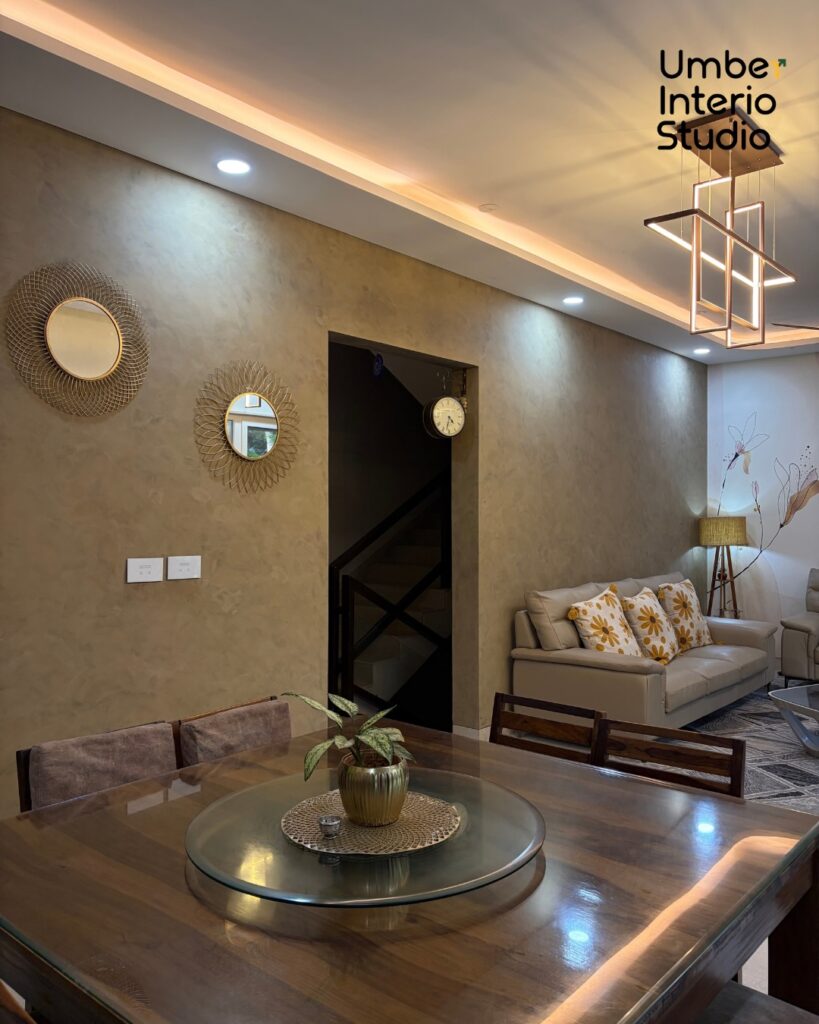
1. Fluted Wall Panels for Contemporary Elegance
Fluted wall panels feature evenly spaced vertical grooves that create a clean, rhythmic pattern. Their understated appearance makes them suitable for modern apartments, luxury villas and contemporary homes.
These panels work particularly well behind television units, in living room feature walls and around selected bedroom areas. Wood-finish fluted panels introduce warmth, while painted finishes in beige, taupe, charcoal or muted green create a more contemporary aesthetic.
Vertical lines can also draw the eye upward, helping a room feel taller when the proportions and installation are carefully planned.
For a sophisticated result, combine fluted panels with concealed lighting, a floating console or a contrasting smooth surface. Avoid extending heavy patterns across every wall, as this can make the interior feel visually crowded.
2. Wood-Finish Textured Walls for Warmth
Wood-inspired wall finishes bring a natural quality to interior spaces. Their grain patterns, warm undertones and subtle variations create an inviting atmosphere that complements both minimalist and luxury interiors.
Wood-finish panels can be used behind a bed, along a living room wall or within a dining area to introduce material contrast. They also work well with neutral upholstery, stone surfaces, metallic accents and warm lighting.
For a quiet luxury aesthetic, consider natural oak-inspired finishes, walnut tones or muted wood shades rather than highly glossy surfaces. Pairing wood textures with plain walls helps preserve a sense of openness.
Material selection should account for durability, cleaning requirements and the room’s moisture conditions. The chosen finish should also complement the flooring and cabinetry rather than compete with them.
3. Subtle Plaster and Textured Paint Finishes
Not every textured wall needs panels or elaborate detailing. Decorative plaster and textured paint can create depth through fine variations in tone and surface.
Limewash-inspired finishes, soft mineral effects and subtle sand textures are suitable for homeowners who prefer understated interiors. These finishes can introduce visual richness while preserving a calm, uncluttered appearance.
Warm white, ivory, greige, sand and earthy beige are versatile choices for contemporary Indian homes. Depending on the application technique, the same colour can appear slightly different across the surface as natural and artificial light changes throughout the day.
Textured paint is particularly useful when you want to introduce character without adding substantial depth to the wall. However, the finish should be tested on a sample area before full application because texture, colour variation and sheen can look different under the room’s actual lighting.
4. Stone and Marble Textures for a Premium Finish
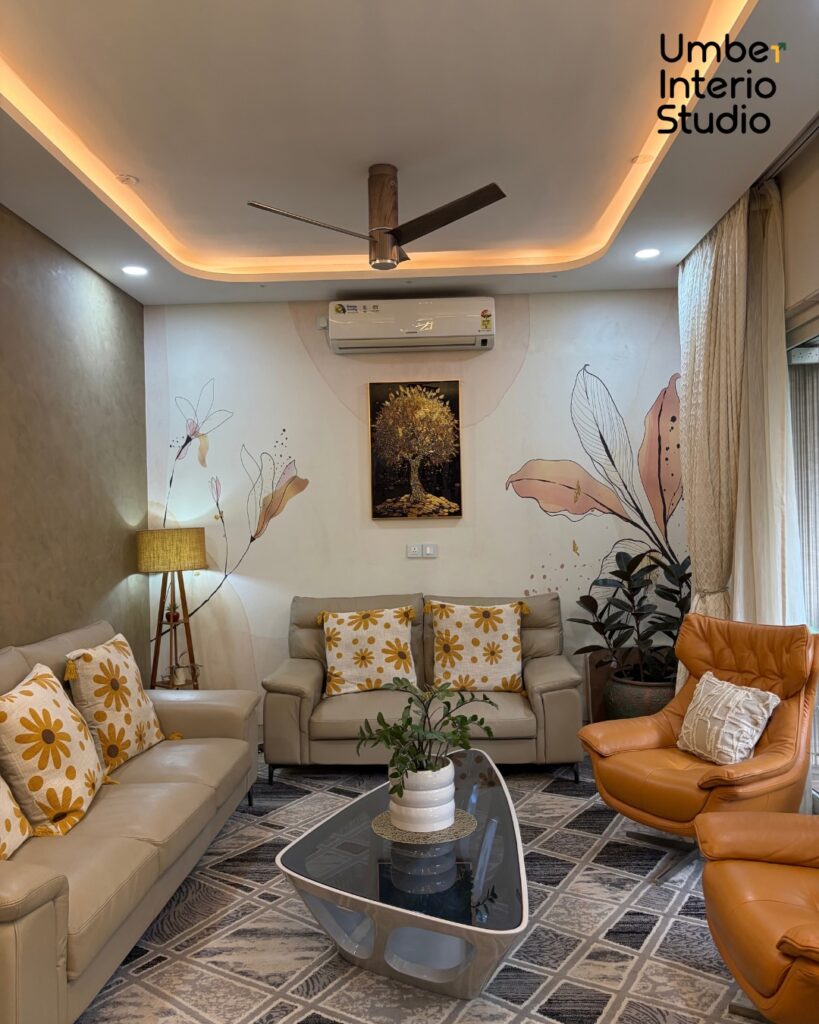
Stone-inspired walls introduce a sense of permanence and visual sophistication. Natural stone, marble, travertine-inspired finishes and suitable stone-look surfaces can make an interior feel architectural rather than purely decorative.
In living rooms, a stone feature wall can frame a television unit or complement a fireplace-style installation where appropriate. In entrance areas, it can establish a strong first impression. Selected stone finishes can also add character to dining spaces and statement walls.
The key is to balance the material’s natural pattern with the rest of the room. Dramatic marble veining or heavily patterned stone may work best as a single focal point, while more subtle stone textures can be integrated into restrained interiors.
Consider the weight, installation method, budget and maintenance requirements of the selected material. Proper lighting can enhance the texture, but overly harsh illumination may exaggerate surface irregularities or create unwanted glare.
5. Geometric Panels and Decorative Wall Mouldings
Geometric wall panels introduce structure through repeated shapes, clean lines and carefully arranged sections. Decorative mouldings, recessed rectangles and asymmetrical panel layouts can create visual interest without requiring bright colours or elaborate accessories.
For a contemporary luxury interior, simple geometric patterns often work better than overly ornate detailing. Panel proportions should relate to the room’s dimensions, furniture placement and ceiling height.
In a living room, mouldings can frame a central artwork or create a more structured backdrop for furniture. In bedrooms, restrained panel detailing behind the headboard can establish a polished focal point.
Painted mouldings in the same colour as the wall produce a subtle, seamless effect. Contrasting finishes create a stronger statement, although the contrast should be consistent with the overall interior palette.
6. Fabric and Upholstered Wall Panels for Bedrooms
Bedrooms benefit from textures that contribute to a softer, more comfortable atmosphere. Upholstered wall panels and fabric-covered headboards introduce tactile interest while providing a visual contrast to harder materials such as glass, stone and metal.
A padded feature wall behind the bed can make the sleeping area feel more intimate and carefully designed. Neutral fabrics, subtle stitching and clean panel divisions are particularly suitable for understated luxury interiors.
Fabric panels should be selected according to their cleaning requirements, durability and resistance to everyday wear. They may require more frequent care than painted walls, particularly in homes with children or pets.
For a balanced bedroom design, combine upholstered panels with simple bedside tables, layered lighting and restrained decorative accessories. The aim is to create a cohesive environment rather than an overly elaborate backdrop.
7. Layered Textures with Lighting and Architectural Details
One of the most effective ways to enhance a textured wall is to combine it with thoughtful lighting and complementary materials.
Concealed LED strips, wall washers, picture lights and selected wall sconces can emphasise grooves, surface variations and panel edges. The direction of illumination matters: grazing light can make textures more prominent, while diffused lighting creates a softer effect.
Layering materials also helps create visual depth. For example, a wood-finish panel can be combined with a smooth painted surface, a narrow metal detail and a floating console. Each material contributes a different quality without overwhelming the design.
Lighting should be planned before installation wherever possible, especially when the design includes concealed wiring, recessed details or integrated fixtures.
How to Choose the Right Wall Texture for Each Room
A successful wall texture design considers how the room is used, how much natural light it receives and which elements should attract attention.
Living Room
The living room is often the best place for a statement wall because it brings together seating, entertainment and social activities. So for living room interior design choose Fluted panels, stone finishes, subtle plaster textures and geometric detailing can work well behind a television unit or seating arrangement.
Choose one dominant feature and allow surrounding surfaces to remain relatively simple. This helps furniture, artwork and lighting remain visually balanced.
Bedroom
Bedrooms generally benefit from softer finishes and a more restrained visual language. Wood panels, upholstered headboards and muted textured paint can create a relaxing backdrop. For bedroom interior designing consider how the wall texture interacts with bedside lighting and the headboard. Avoid highly reflective finishes or complicated patterns if the goal is a calm, restful environment.
Dining Area
A textured wall can define the dining zone, particularly in open-plan homes where the living and dining areas share the same space.
For dining room interior design choose Subtle wall mouldings, warm wood finishes or a restrained stone surface can establish a sense of separation without introducing a physical partition. Lighting above the dining table can further emphasise the feature.
Entrance and Foyer
The entrance provides an opportunity to establish the home’s design character from the moment someone walks in. A combination of textured panels, a console, a mirror and carefully positioned lighting can create a welcoming first impression.
Since foyers may have limited space, use patterns and materials that complement the available wall area rather than making the entrance feel enclosed.
How to Select Colours and Materials for Textured Walls
The visual impact of a textured wall depends on more than the texture itself. Colour, finish, lighting and adjacent materials determine whether the final result feels cohesive.
Neutral colours such as ivory, warm white, taupe, beige and greige are well suited to contemporary luxury interiors. They allow surface details to stand out without making the room feel busy. Deeper shades such as olive, charcoal or muted brown can introduce contrast when used selectively.
Material selection should also reflect the practical needs of the room. Textured paint may be suitable for relatively simple finishes, while decorative panels can provide more pronounced patterns. Stone and tile finishes may be appropriate where their weight, installation requirements and maintenance needs can be accommodated.
Before finalising a material, consider the following:
- Durability: Check how well the finish withstands everyday use and whether it can be repaired if damaged.
- Maintenance: Deep grooves and porous surfaces may collect dust or require specialised cleaning.
- Moisture exposure: Choose suitable materials and installation systems for areas exposed to humidity or splashes.
- Lighting: Review the texture under both natural daylight and the planned artificial lighting.
- Budget: Account for material costs, surface preparation, installation, lighting and finishing work.
- Design continuity: Ensure the wall texture complements flooring, cabinetry, furniture and other finishes.
A material sample or small mock-up can help you evaluate the final appearance before committing to a full installation.
Common Mistakes to Avoid When Designing Textured Walls
Textured walls can elevate a home, but poor planning may reduce their impact. One common mistake is introducing too many textures into a single room. Combining heavily patterned stone, fluted panels, elaborate mouldings and decorative wallpaper can create unnecessary visual competition.
Another issue is selecting a texture without considering the room’s scale. Deep grooves and dark finishes may feel overwhelming on a large, dominant wall in a compact room. Lighter finishes and finer patterns can be more suitable when visual openness is important.
Lighting is equally important. A texture that looks subtle in a showroom may appear much stronger under direct spotlights. Always assess samples in the intended space and at different times of day.
Poor installation can also affect the result. Uneven panels, visible joints, inadequate substrate preparation and improperly finished edges can undermine even an expensive material. Electrical fittings and concealed lighting should be coordinated with the wall design before work begins.
Finally, avoid choosing a finish solely because it is trending. The most successful interiors reflect the homeowner’s preferences and practical needs while maintaining a consistent design language.
Creating Timeless Interiors with Umber Interio Studio
Textured walls are most effective when they form part of a complete interior design strategy. Their colours, materials, proportions and lighting should relate to the furniture, flooring, storage and architectural details throughout the home.
For homeowners exploring luxury home interiors in Hebbal, Bangalore, Umber Interio Studio approaches interior design with an emphasis on thoughtful detailing, material harmony and spaces tailored to everyday living.
Whether you prefer the warmth of wood-finish panels, the understated appeal of textured plaster or the sophistication of stone surfaces, a considered design can help transform ordinary walls into meaningful architectural features.
Planning your dream home interiors in Hebbal, Bangalore? Contact with Umber Interio Studio to explore interior design solutions that balance elegance, functionality and your personal style.
Conclusion
Textured walls offer more than a decorative finish. They introduce depth, define focal points and help create a distinctive atmosphere throughout the home. From contemporary fluted panels and natural wood finishes to subtle plaster effects and elegant stone surfaces, the right choice can enhance both the appearance and experience of an interior.
The key is to select textures that complement the room’s scale, lighting, colour palette and practical requirements. When materials are chosen carefully and installed with precision, textured walls can remain visually appealing long after individual design trends have passed.
For a cohesive result, consider textured walls as part of the wider interior design rather than as isolated decorative elements. With thoughtful planning and professional guidance, they can help create a home that feels refined, welcoming and distinctly yours.
Frequently Asked Questions (FAQs)
1. What are textured walls in interior design?
Textured walls are surfaces that incorporate patterns, grooves, material variations or decorative finishes to create visual or tactile depth. Common options include fluted panels, textured paint, decorative plaster, wood-finish panels, stone cladding and wall mouldings.
2. Which textured wall design is best for a living room?
The best living room wall texture depends on the room’s size, lighting and interior style. Fluted panels suit contemporary spaces, stone finishes create a bold focal point, and subtle plaster textures work well in minimalist interiors. Choose a design that complements the furniture and overall colour palette.
3. Are textured walls suitable for small homes?
Yes. Textured walls can work well in small homes when the design is carefully proportioned. Light colours, fine textures and restrained vertical patterns can add character without making the room feel crowded. Limiting strong textures to one feature wall often produces a more balanced result.
4. What materials are commonly used for textured wall designs?
Popular materials include decorative plaster, textured paint, MDF or other suitable engineered panels, wood-finish surfaces, natural stone, stone-look tiles, wallpaper and upholstered panels. The right option depends on the desired appearance, installation conditions, budget and maintenance requirements.
5. Are textured walls suitable for luxury home interiors?
Yes. Textured walls are widely used in luxury interiors because they introduce material richness, architectural detail and visual depth. Premium-looking results can be achieved through restrained colour palettes, carefully selected materials, precise installation and lighting that highlights the surface.
6. Which wall textures are best for bedrooms?
Wood-finish panels, upholstered headboards, subtle textured paint and understated wall mouldings are popular bedroom options. These finishes can create a warm, comfortable atmosphere without overwhelming the room. Neutral shades and soft lighting often complement bedroom textures particularly well.
7. Do textured walls require a lot of maintenance?
Maintenance depends on the material and surface profile. Smooth textured paint may need only occasional dusting or gentle cleaning, while deep grooves, porous stone and fabric panels may require additional care. Follow the manufacturer’s cleaning guidance and avoid harsh products unless specifically approved for the finish.
8. Can textured walls make a room look bigger?
Certain textures can influence how spacious a room feels. Light colours, fine patterns and vertical detailing may help create a sense of height or openness. However, dark colours, deep relief and busy patterns can make a small space feel more enclosed when used excessively.
9. How should lighting be planned for textured walls?
Lighting should be selected according to the desired visual effect. Wall washers and grazing lights emphasise grooves and surface variations, while diffused lighting produces a softer appearance. Plan electrical points, concealed LED strips and fixtures early to ensure clean installation and avoid unwanted shadows or glare.
10. How can I choose the right textured wall design for my home in Hebbal, Bangalore?
Start by identifying the room’s purpose, preferred interior style, available wall area and budget. Review material samples under the home’s actual lighting and consider maintenance, durability and compatibility with existing finishes. Working with an experienced interior design studio can help you select a texture that complements the entire home rather than one wall in isolation.